

Best Price For Brine Shrimp Eggs

Best Price For Brine Shrimp Eggs
The Best Price for Brine Shrimp Eggs is available at brineshrimp.com.au due to our wholesale buying power, and the fact that we pass the savings onto you, our loyal customer base. The history of brine shrimp, scientifically known as Artemia salina, dates back millions of years. Here’s an overview of their history:
Prehistoric Origins: Brine shrimp are ancient crustaceans that have existed for over 100 million years. Fossils of best price for brine shrimp eggs have been found dating back to the Cretaceous period, indicating their presence during the time of dinosaurs.
Lake Bonneville Discovery: The modern study of brine shrimp began in the 19th century when Lake Bonneville, a prehistoric lake in Utah, dried up, leaving behind highly saline remnants such as the Great Salt Lake. In the 1850s, scientists discovered Artemia cysts (dormant eggs) in the lake sediments.
Taxonomy and Classification: In 1855, Swiss naturalist Daniel Bohrmann described and named the brine shrimp species Artemia salina, which became the type species for the genus Artemia. Since then, additional species have been identified, including Artemia franciscana, commonly known as the San Francisco Bay brine shrimp.
Brine Shrimp Eggs Impact
Economic Significance: Brine shrimp gained economic significance in the 1930s when their commercial exploitation began. Their cysts became valuable as a food source for aquaculture and as live food for aquarium fish. Today, the brine shrimp industry is an important part of the aquaculture and ornamental fish trade.
Adaptation to Extreme Environments: Brine shrimp have evolved remarkable adaptations to survive in highly saline environments. They can tolerate salinities ranging from 25-250 parts per thousand (ppt), which is much higher than the salinity of seawater. Their ability to withstand desiccation and revive once water is available again is also notable.
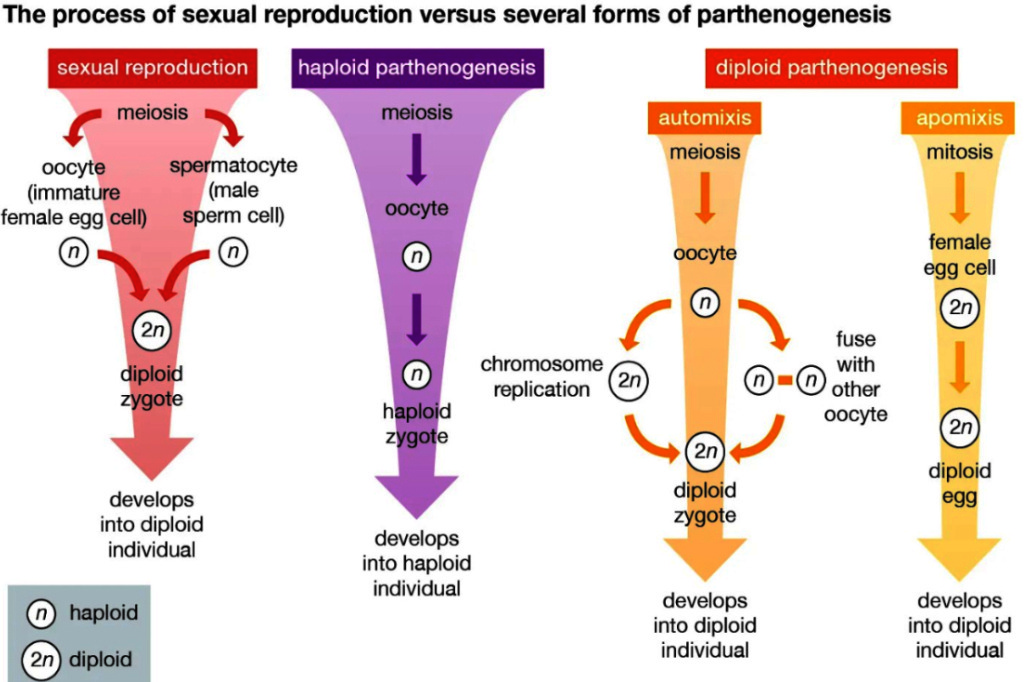
Unique Reproductive Strategy: Brine shrimp have a unique reproductive strategy called “cyclical parthenogenesis.” Under favourable conditions, they reproduce asexually, producing live nauplii (larvae) from their eggs. When conditions become unfavourable, they switch to sexual reproduction, producing dormant cysts that can survive harsh conditions until suitable habitats are available again.
Research and Applications: Brine shrimp have become an important research model organism in various fields, including ecology, physiology, developmental biology, and genetics. They are used in experiments to study adaptation to extreme environments, as well as embryonic development and hatching mechanisms.
What Are Brine Shrimp?
Brine shrimp are studied for their unique adaptations and ecological roles. Best price for brine shrimp eggs serve as a valuable food source for many aquatic organisms and have become an intriguing subject of scientific research for primary schools and high schools.
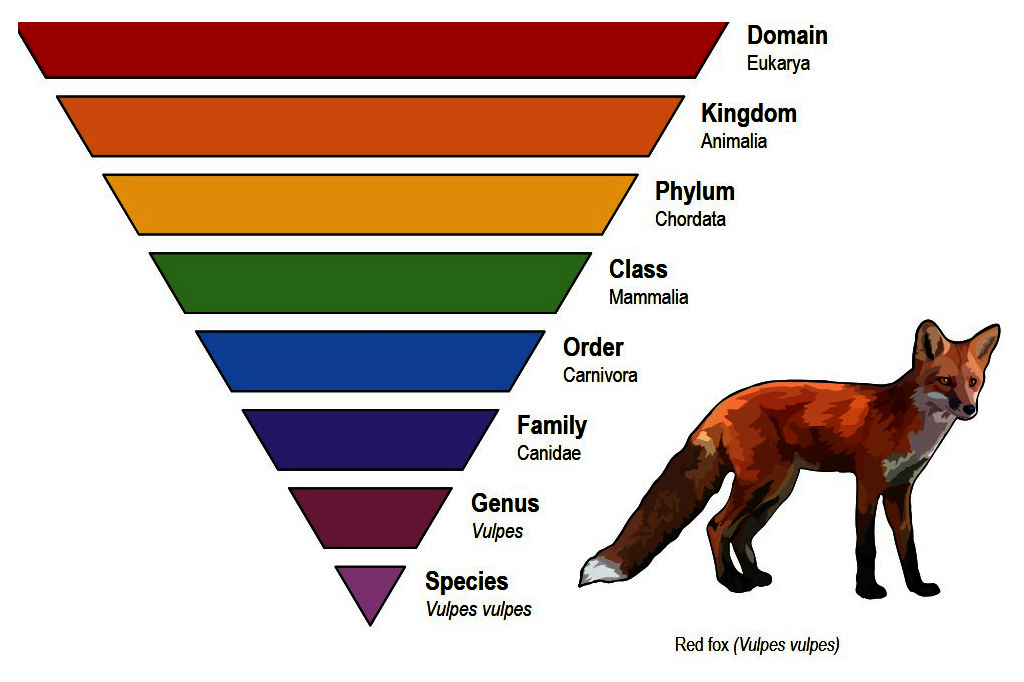
Cheap brine shrimp eggs are crustaceans that are classified in the phylum Arthropoda (the largest phylum in the animal kingdom, which includes insects and other creatures with jointed legs and exoskeletons).
They live in inland bodies of saltwater, such as Lake Eyre, but not in the ocean, where they would have too many predators.
The female best price for brine shrimp eggs lays encapsulated eggs, or cysts, which remain dormant until the right hatching conditions.
These cheap brine shrimp eggs can survive for years when dried and then, when added to salt water, hatch literally overnight!
Brine Shrimp Nauplii
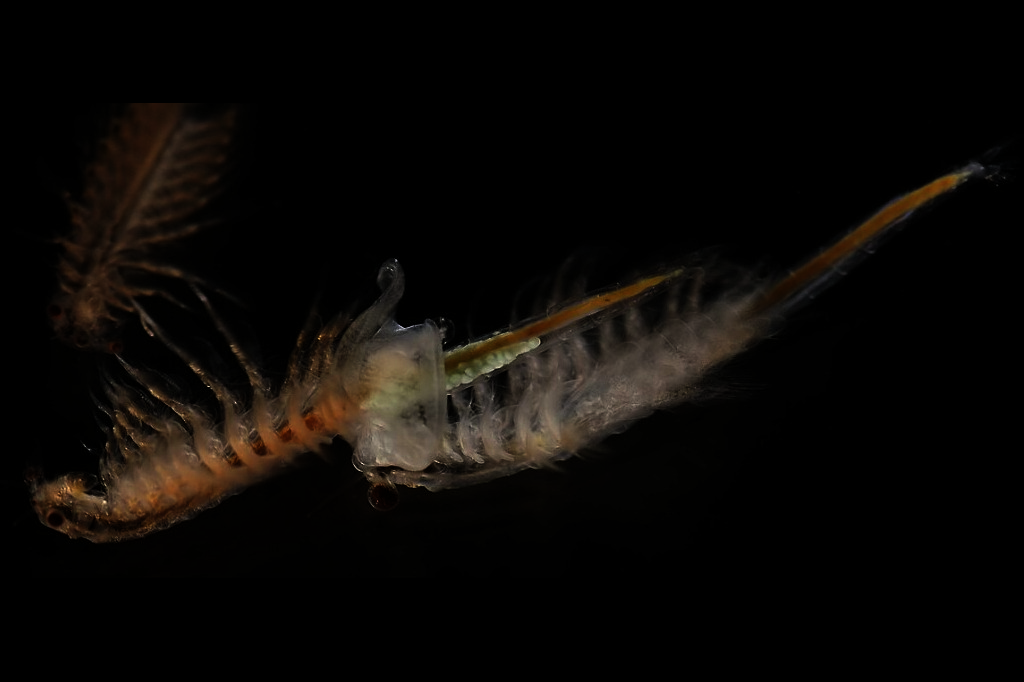
The hatched shrimp larvae are called nauplii (singular is ‘nauplius’) and have a different anatomical structure than adult brine shrimp. A nauplius has only one eye, called a nauplier eye and has an extra pair of antennae with hairlike setae for swimming.
The nauplii molt, or shed their exoskeleton, about 12 hours after hatching. This brings them into the second larval stage. After several more moultings, they reach the adult stage; it only takes about eight days to mature from the time they hatch.
Adult brine shrimp have a pair of compound eyes as well as the nauplier eye. They also have 11 pairs of pleopods or leg-like appendages. The structure of the pleopods are designed for different functions: some are for swimming and the others are for scraping and filtering algae (the shrimp’s primary food source).
Mature best price for brine shrimp eggs might grow to as much as 12mm and live for up to three months.
Use a pipet or medicine dropper to ‘catch’ some of the shrimp and transfer them with sufficient water into a petri dish for easy observation. To view the sea monkeys under microscope look at them closely with low power (10-30x) magnification.
Overall, the small size, high protein content, balanced nutritional profile, and enrichment potential make cheap brine shrimp eggs an excellent and nutritious food source for fish fry. They provide the essential nutrients required for growth, development, and overall health, promoting optimal conditions for the young fish to thrive.
Australia’s best brine shrimp eggs!
Fresh baby brine shrimp are irresistible to newly-hatched fish fry. Buy today and save with our bulk pricing discounts!
F.A.Q.
Best Price For Brine Shrimp Eggs.
As a general rule never hatch more than 2.5g of eggs per litre of water. Although it is tempting to add more eggs, you only run the risk of overcrowding and deoxygenated water, which leads to heavy losses of your newly hatched shrimp.u003cbru003eAs a visual guide, 2.5g of eggs is approximately the size of a half a teaspoon of brine shrimp eggs.
A mature female brine shrimp can develop up to 150 eggs in her brood sack every 3-4 days. Male shrimp have “claspers” up near their heads, to hold onto the female whilst mating. In ideal conditions, brine shrimp mature and reproduce within 2-3 weeks.u003cbru003eu003cbru003eYou will notice the yellow/amber eggs in a bundle at the rear of the brine shrimp.
Yes! Unhatched cysts are edible and easily digestible by your baby fish. The energy content in unhatched brine shrimp cysts is actually higher than that of a hatched, live baby brine shrimp.u003cbru003eu003cbru003eThe main drawback in feeding the unhatched artemia salina cysts is that they eggs themselves do not display that agitated swimming motion, which is so important in triggering the feeding instinct in your newborn fry. When the freshly hatched brine shrimp begin their free-swimming stage, they are simply irresistible to baby fish fry.
Harvest your baby brine shrimp (BBS) with a superfine mesh net and rinse with fresh water. The harvest from 1g of BBS should cover a shallow dish like a dinner plate with a saturated brine (tablespoon of salt for every cup of water) solution. Store in fridge for 2-3 days.u003cbru003eu003cbru003eIdeally, you want to rinse and then feed your fresh hatched brine shrimp immediately so the full nutritional benefit is passed direct to your fish fry. The longer the time the brine shrimp nauplii are swimming, the more they consume their u0022baby fatu0022 and henc offer less nutritional value to your fry. So once they hatch, feed promptly to your fish fry.